Viola rosin is mostly an individual preference for each and every viola player. Often, different viola rosin will work and perform differently when the seasons change or in different climates.
Not sure what to order here? It can sometimes be confusing, but we’ll try here to give a basic review of how rosins work.
Rosin comes from tree sap (pine tar). Wtih various ingredients combined, they can often work quite differentely depending on the area of the world you live, the climate and/or seasonal changes. Often, players will have and use a specific rosin during the winter time when the air is cold and dry and another different rosin, for when the season changes into more of a warmer, more humid time of year or geographical area. (For example, you might not want a super soft rosin (for any instrument), in say, in a Miami summer!)
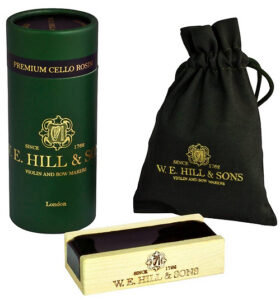
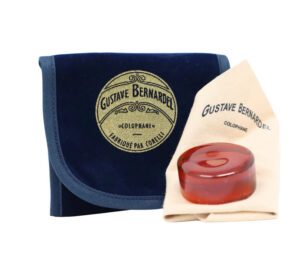
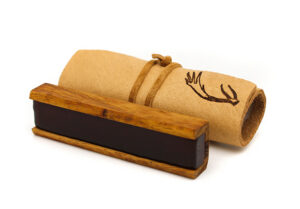
There are some old mainstays here (like the Hill and Bernadel) rosins, but some newer ones added as well. For instance, we just began offering the new Leatherwood Bespoke rosin from Australia. It was personally developed by a professional violinist and after much trial and error, this is a very impressive rosin. It comes in softer “Supple” or a harder, “Crisp”.
Trial and error will only determine which one is right for you, but everyone is a little different. Many players may need two types of rosin for different playing settings: one for solo playing (Crisp) where your individual tone needs to be it’s finest, or for heavier (big sound) orchestra playing where you need to use lots of bow, usually heavier strokes, so a softer (Supple) rosin will allow the bow hair to maximize ‘grab’ onto the string.